
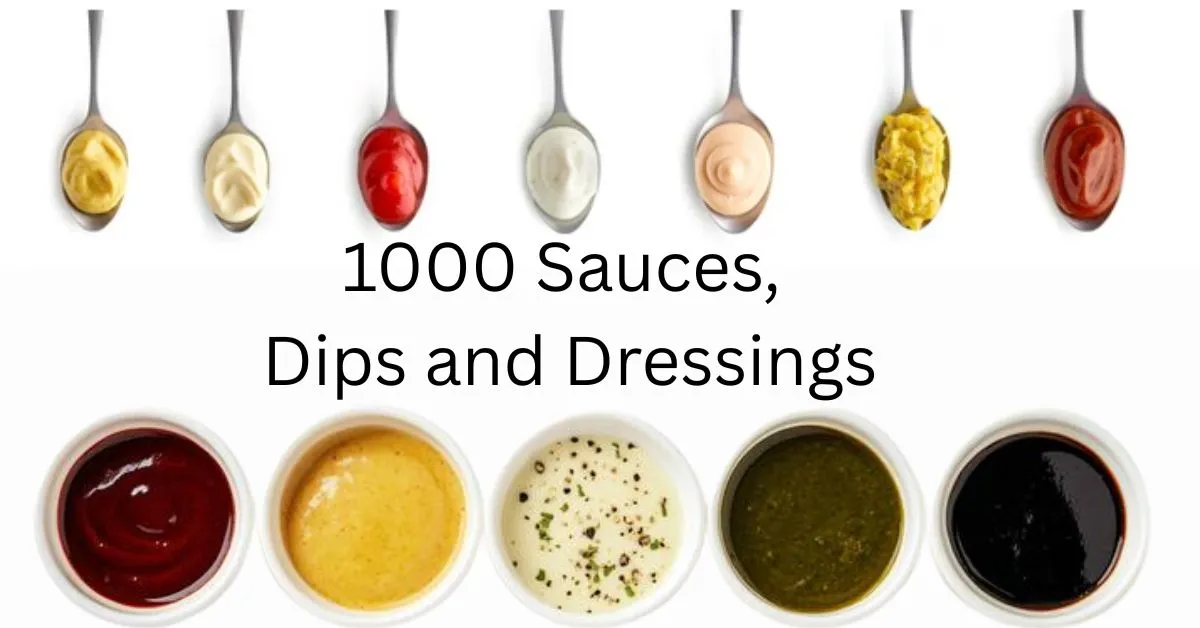
1000 Sauces, Dips and Dressings: Secrets of Flavor and Culinary Creativity
Food without sauces, dips, or dressings often feels incomplete. A fresh salad turns from bland to exciting with the right vinaigrette. A plate of nachos becomes irresistible once covered in salsa or guacamole. A slice of cake feels indulgent when drizzled with chocolate sauce. These additions do not just decorate the dish; they define its character.
This is exactly what makes 1000 Sauces, Dips and Dressings such a remarkable book. It celebrates the world of flavor by bringing together recipes that transform ordinary meals into extraordinary experiences.
The Concept Behind 1000 Sauces, Dips and Dressings
Nadia Arumugam’s book is more than a collection of recipes—it is a culinary encyclopedia. With nearly 300 pages, more than 400 photographs, and an impressive range of ideas, it shows how sauces are the foundation of creativity in cooking.
Instead of focusing on just one culture, it gathers traditions from around the world, offering home cooks and professionals a chance to explore flavors across continents.
The book organizes sauces, dips, and dressings into categories that are easy to navigate. Readers can explore French classics like béchamel, spicy chutneys from India, creamy Middle Eastern tahini, or Latin American salsas. This diversity makes the collection a universal reference for anyone interested in food.
The Foundations: Classic Sauces and How They Shape Cooking
Before diving into the 1,000 recipes, the book introduces the idea of “mother sauces.” These five French foundations—béchamel, velouté, espagnole, hollandaise, and tomato—act as building blocks.
Once you understand how to prepare them, you can create countless variations. For example:
- Béchamel can lead to cheese sauces for pasta or creamy bases for vegetables.
- Hollandaise can be infused with herbs or spices to serve with fish and eggs.
- Tomato sauce can be adjusted for Italian pasta, Mexican stews, or Mediterranean casseroles.
By starting with these basics, the book makes the huge number of recipes less overwhelming. It shows readers that mastering a few core techniques can open the door to endless creativity.
A Global Flavor Journey Through 1,000 Recipes
One of the most exciting parts of 1000 Sauces, Dips and Dressings is the way it travels across the globe without leaving the kitchen. The collection includes:
- French and European classics such as red wine reductions, creamy gravies, and butter-based sauces.
- Italian favorites including pesto, arrabbiata, and rustic ragùs.
- Asian specialties like peanut sauce, soy-based dressings, miso blends, and chili oils.
- Middle Eastern treasures such as yogurt dips, tahini blends, and herb sauces.
- Latin American icons including salsa verde, mole, and chimichurri.
- Sweet delights like chocolate ganache, fruit coulis, caramel, and custard sauces.
This variety means the book is not only about tradition but also about experimentation. It invites readers to mix and match, creating new combinations that reflect their own tastes.
Why Dips and Dressings Deserve Equal Attention
Many people think of sauces as something poured over main dishes, but dips and dressings are equally important. In fact, they often play a central role in casual meals and social gatherings.
- Dips turn snacks into experiences. Imagine hummus with pita, guacamole with tortilla chips, or spicy chutney with samosas. Each dip adds identity to simple food.
- Dressings elevate fresh vegetables. A salad with plain lettuce is boring, but add a citrus vinaigrette, creamy Caesar, or sesame soy dressing, and suddenly it becomes a dish worth enjoying.
By including these categories, the book ensures it is not just for fine dining enthusiasts but also for families, students, and anyone who enjoys everyday cooking.
You can save on ingredients by checking Aldi weekly ads, which offer budget-friendly groceries perfect for trying new sauces and dips.
Techniques That Unlock Flavor
While the recipes themselves are useful, the real power of 1000 Sauces, Dips and Dressings lies in the techniques it teaches. Readers learn how to:
- Balance flavor: Every good sauce has harmony between salt, fat, acid, and sometimes sweetness.
- Control texture: From smooth cream sauces to chunky salsas, consistency determines how a sauce interacts with food.
- Layer spices: Adding herbs at different stages of cooking changes the final result.
- Experiment with emulsions: Learning how to blend oil and vinegar or yolks and butter opens the door to countless dressings and spreads.
These lessons are practical. Even if someone never cooks all 1,000 recipes, the knowledge stays with them for life.
Everyday Uses: Bringing Sauces Into Your Routine
The magic of sauces is that they do not require special occasions. They can improve everyday meals with little effort. Here are some examples inspired by the book:
- Breakfast: Hollandaise on eggs, fruit sauce over pancakes, spiced yogurt with granola.
- Lunch: Vinaigrette on fresh greens, hummus in wraps, salsa on grilled sandwiches.
- Dinner: Mushroom gravy for chicken, pesto with pasta, barbecue sauce for roasted meats.
- Snacks: Peanut dip for spring rolls, chutney with fried snacks, creamy cheese dips with bread.
- Dessert: Chocolate drizzle, berry coulis, caramel with ice cream.
This shows that sauces, dips, and dressings are not luxuries—they are tools for making everyday life tastier.
Why Homemade Beats Store-Bought
One of the strongest arguments in favor of this book is the encouragement to make sauces at home. Store-bought versions may be convenient, but they often come loaded with preservatives, artificial flavors, and excess sugar or salt. Homemade sauces are fresher, healthier, and customizable.
For example:
- A simple tomato sauce takes 20 minutes at home and tastes fresher than any jar.
- A basic vinaigrette can be made in less than five minutes and tailored to personal taste.
- Sweet sauces like caramel or chocolate are richer when freshly prepared.
By providing clear instructions, the book shows that anyone can replace packaged sauces with healthier, tastier versions.
The Visual Power of Photography
Another highlight of 1000 Sauces, Dips and Dressings is its photography. With over 400 images, the book does not leave readers guessing. A glossy picture of chocolate ganache pouring over a cake or a vibrant bowl of chimichurri inspires confidence. Visuals make the recipes approachable, and they encourage creativity in presentation.
Benefits for Different Types of Cooks
The wide scope of the book makes it useful for many kinds of readers:
- Beginners learn the basics without fear of failure.
- Home cooks find inspiration to keep meals exciting for families.
- Professional chefs gain a reference library for classic and global sauces.
- Entertainers discover impressive dips and dressings for social occasions.
This universal appeal is part of what makes the collection so valuable.
Possible Challenges
Of course, a book with 1,000 recipes can also feel overwhelming. Some readers may not know where to start, or they may struggle to find ingredients for certain international recipes.
However, the structure of the book makes it easier by grouping sauces into categories and offering substitutions when needed. The challenge is not in following the recipes but in choosing which one to try first.
Conclusion: A Celebration of Flavor and Creativity
1000 Sauces, Dips and Dressings is not just a recipe book—it is an invitation to explore the endless world of taste. From classic French foundations to vibrant global specialties, it shows that sauces are more than side elements; they are central to how we enjoy food. The collection encourages experimentation, celebrates cultural diversity, and makes cooking approachable for everyone.
For beginners, it provides confidence. For experts, it offers inspiration. And for families, it brings variety to daily meals. Whether you want to master a simple vinaigrette or experiment with bold international flavors, this book gives you the tools to succeed.
Ultimately, sauces, dips, and dressings are not just about cooking—they are about creativity, culture, and joy. And with 1,000 options in one book, the possibilities are truly endless.