Compare coffee brewing methods like pour-over and French press. which one is easier to make
For many people, brewing coffee is more than just a morning habit—it’s an experience. From the aroma of freshly ground beans to the slow pour of hot water, every step tells a story about flavor, patience, and technique.
Two of the most popular manual brewing methods today are the French Press and the Pour Over. Both have passionate fan bases and can produce remarkable coffee, but they differ in style, control, and effort.
So, when you compare coffee brewing methods like pour-over and French press, one big question arises: which one is easier to make—and which one tastes better? Let’s explore both methods in detail, comparing science, simplicity, and taste.
The Science Behind Great Coffee: Understanding Extraction
No matter the brewing method, the magic of coffee comes from extraction—the process where hot water dissolves flavorful compounds from ground coffee beans.
Key Factors That Influence Extraction
- Water Temperature:
The ideal range is 195°F–205°F (90°C–96°C). Too hot, and you risk bitterness; too cool, and your brew tastes weak. - Grind Size:
Finer grinds extract faster because more surface area is exposed to water. Coarser grinds extract slower, producing smoother flavors. - Brew Time:
The amount of time water and coffee interact affects the balance of sweetness, acidity, and strength. - Coffee-to-Water Ratio:
A balanced ratio ensures neither over- nor under-extraction. Many brewers use 1:15 to 1:17 (coffee to water) as a standard.
These scientific principles guide both the French Press and Pour Over techniques, but they apply them differently—creating two distinct brewing experiences.
French Press: The Classic Immersion Method
The French Press, also known as a press pot or plunger pot, is one of the most straightforward coffee makers in existence. It has been loved by coffee drinkers for over a century, and for good reason—it’s easy, portable, and consistently flavorful.
How It Works
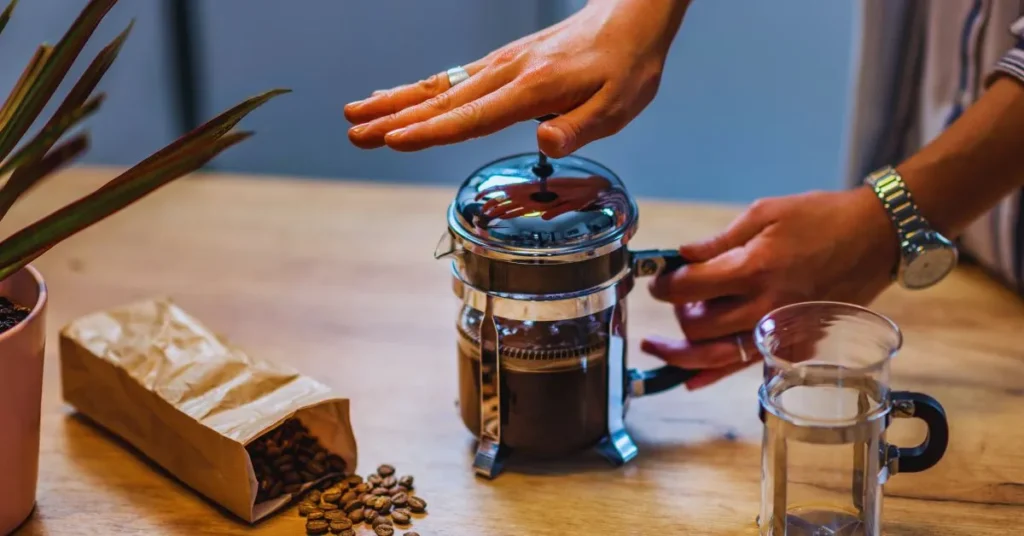
The French Press uses immersion brewing, meaning coffee grounds are steeped directly in hot water before being filtered. This full contact allows the coffee oils and fine particles to mix with the liquid, creating a robust, full-bodied cup.
How to Brew with a French Press
- Grind your beans to a coarse consistency, similar to sea salt.
- Add coffee to the carafe (use about 2 tablespoons per 6 ounces of water).
- Pour hot water just off the boil (around 200°F) over the grounds.
- Stir gently to saturate all the coffee.
- Steep for 4 minutes—long enough for balanced extraction.
- Press slowly to separate the grounds from the liquid.
- Serve immediately to enjoy the full flavor before it turns bitter.
Why People Love the French Press
- Ease of Use: It doesn’t require precision pouring or special filters.
- Flavor: The metal mesh filter lets oils and micro-grounds through, resulting in a richer, heavier taste.
- No Electricity Needed: Perfect for travel or camping.
- Affordable: Quality models are widely available at reasonable prices.
Drawbacks
- Cleanup: Removing grounds from the mesh filter can be messy.
- Sediment: Some fine particles may end up in the cup.
- Less Control: Once the steeping starts, there’s less ability to fine-tune the process.
Pour Over: The Art of Precision and Clarity
If the French Press is rustic and forgiving, the pour-over method is scientific and elegant. It’s beloved by baristas for producing coffee that highlights delicate flavor notes.
How It Works
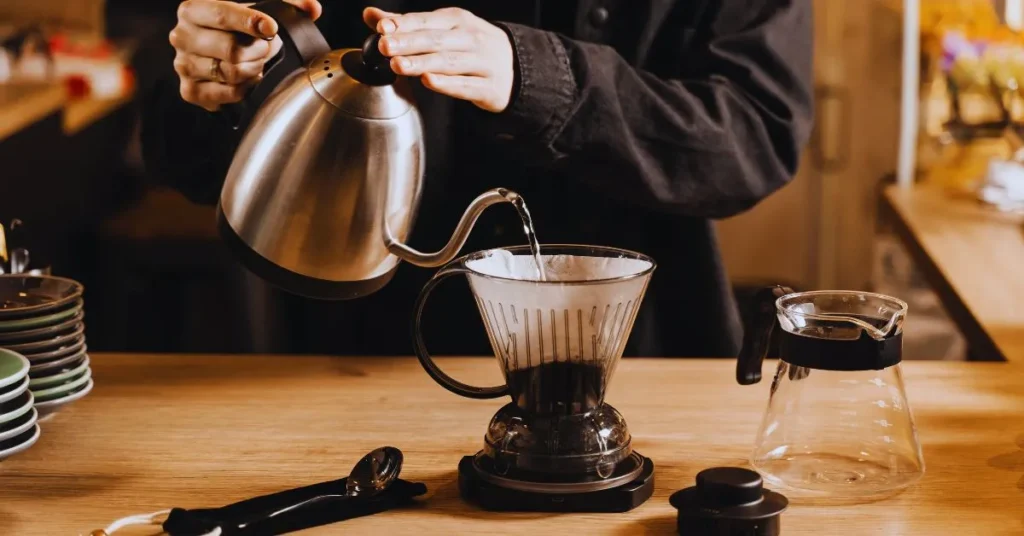
The pour-over uses percolation brewing, where water is poured gradually through coffee grounds held in a filter. As the water drips through, it extracts flavors evenly, producing a clean, crisp cup.
How to Brew a Pour-Over Coffee
- Choose your device: Common tools include the Hario V60, Kalita Wave, or Chemex.
- Grind your coffee to a medium-fine texture—similar to table salt.
- Heat your water to around 200°F (93°C).
- Place the filter in the dripper and rinse it with hot water to remove paper taste.
- Add the coffee grounds (about 1 gram of coffee per 15–17 grams of water).
- Bloom the coffee: Pour a small amount of hot water over the grounds and let it sit for 30 seconds. This releases trapped CO₂ and primes the grounds for extraction.
- Slowly pour the rest of the water in a circular motion, keeping a consistent flow.
- Wait 2–4 minutes until the drip is complete, then serve.
Why People Love Pour-Over Coffee
- Precision: Total control over water flow, temperature, and timing.
- Clean Flavor: The paper filter removes oils and sediment, revealing subtle notes of fruit, chocolate, or florals.
- Aesthetic Appeal: Watching the brew process can feel meditative and satisfying.
Drawbacks
- Learning Curve: Requires practice to perfect pouring technique.
- Time-Consuming: Not ideal for rushed mornings.
- Equipment Costs: You’ll need a scale, gooseneck kettle, and filters for best results.
Side-by-Side Comparison: French Press vs Pour Over
| Category | French Press | Pour Over |
| Brewing Style | Immersion | Percolation |
| Grind Size | Coarse | Medium-fine |
| Water Temp | 195°F–205°F | 195°F–205°F |
| Brew Time | 4 minutes | 2–4 minutes |
| Flavor | Bold, heavy, full-bodied | Clean, bright, nuanced |
| Difficulty Level | Easy | Moderate |
| Cleanup | Messy (metal filter) | Simple (paper filter) |
| Equipment Cost | Low | Moderate |
| Ideal For | Beginners, travelers, strong coffee lovers | Precision-focused drinkers, flavor enthusiasts |
Which Brewing Method Is Easier to Make?
If convenience and simplicity are your main priorities, the French Press wins. It’s nearly foolproof—add coffee, pour water, wait, and press. There’s no need for timing your pour or controlling flow rate.
The pour-over, on the other hand, requires a bit more attention. Getting consistent results depends on pour speed, grind size, and technique. But for coffee lovers who enjoy precision and ritual, it’s deeply rewarding.
Verdict:
- For beginners or busy mornings, the French Press is easier.
- For control and flavor detail, the Pour Over reigns supreme.
Flavor Showdown: Rich vs Refined
When comparing taste, these two methods couldn’t be more different.
French Press Flavor
- Heavier body
- More oils and fine sediment
- Deep, earthy, and chocolatey notes
Pour Over Flavor
- Clean, crisp, and aromatic
- Highlights bean origin and roast level
- Ideal for fruity or floral coffees
If you love espresso-like intensity, the French Press is your friend. If you prefer clarity and brightness, the pour-over lets those delicate tones shine.
Common Brewing Mistakes to Avoid
Regardless of which method you choose, these mistakes can ruin your cup:
- Using Stale Beans: Always grind fresh beans just before brewing.
- Wrong Grind Size: Fine grinds in a French Press cause bitterness; coarse grinds in pour-over lead to weak flavor.
- Incorrect Water Temperature: Boiling water burns coffee; lukewarm water under-extracts it.
- Skipping the Bloom: In pour-over, blooming removes CO₂ and improves flavor balance.
- Leaving Coffee Sitting: With French Press, pour immediately after pressing to avoid over-extraction.
Cleaning and Maintenance Tips
| Method | Cleaning Steps |
| French Press | Rinse grounds, disassemble plunger, wash mesh filter thoroughly to remove oils. |
| Pour Over | Discard paper filter, rinse dripper with hot water. For reusable filters, clean after each use. |
Regular cleaning prevents rancid oils and keeps flavors consistent.
Cost and Accessibility
Both methods are budget-friendly, but the French Press usually wins on simplicity and price.
- French Press: $15–$40 for a good model.
- Pour Over: $25–$60 for dripper, filters, and kettle combined.
Both are portable and eco-friendly—no pods or machines required.
Pro Tips for Better Coffee (Any Method)
- Use filtered water to avoid mineral buildup and off-flavors.
- Weigh your ingredients using a coffee scale for consistency.
- Preheat equipment before brewing for temperature stability.
- Experiment with ratios (start with 1:15) to match your taste preference.
- Try single-origin beans—they shine especially in pour-over coffee.
Final Thoughts: Choosing What Works for You
When it comes to comparing coffee brewing methods like pour-over and French Press, the real winner depends on what you value more—ease or precision.
If you want a hassle-free, rich, and bold cup with minimal setup, the French Press is perfect. But if you enjoy the art of brewing, appreciate clarity of flavor, and don’t mind a bit of patience, the pour-over will reward you with an elevated experience every time.
In the end, both methods transform the same beans into vastly different cups—and that’s the beauty of coffee. Whether you favor the hands-off simplicity of a French Press or the mindful control of a Pour Over, mastering either method ensures your mornings start with craftsmanship in every sip.
FAQ:
Is pour-over coffee stronger than French press?
Not necessarily. French Press coffee tastes stronger due to oils and solids, but pour-over can have higher caffeine depending on bean type and ratio.
Which method makes cleaner coffee?
The pour-over produces a cleaner cup since paper filters trap most oils and fine grounds.
Can I use the same grind for both methods?
No. Use coarse grind for French Press, medium-fine for pour-over to avoid over-extraction.
Which method is better for beginners?
The French Press—it’s simple, forgiving, and quick to master.
Does the brewing method affect caffeine content?
Yes, immersion methods like French Press often extract slightly more caffeine due to longer contact time.