
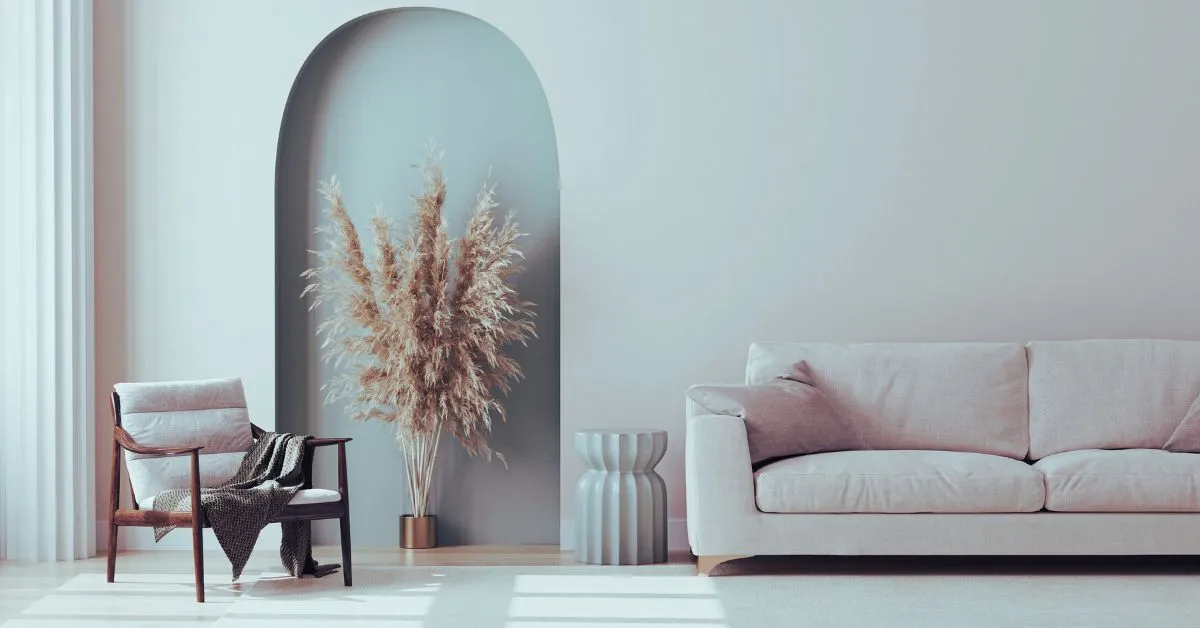
Gessolini: The Art of Fine Plaster Craft and Its Modern Revival
Interior design trends are often built around rediscovering old techniques and giving them fresh life. One such word that has recently surfaced in design, architecture, and cultural conversations is Gessolini. At first glance, the term might sound unfamiliar, yet its meaning is deeply rooted in Italian tradition. Derived from the Italian word gesso (meaning chalk or plaster) with the diminutive suffix -lini, the term can be interpreted as “fine plaster work” or “delicate plaster details.” It reflects a combination of artistry, elegance, and craftsmanship, bringing together both history and modern innovation.
Today, Gessolini is being recognized as a decorative technique that connects cultural heritage with contemporary design. From walls and ceilings to subtle accents in modern interiors, it is making a comeback as people look for artistry that is both timeless and tactile.
The Linguistic and Cultural Origins of Gessolini
The roots of Gessolini can be traced to the Italian language. Gesso has long been associated with plaster, chalk, or gypsum, which were essential materials in art and architecture. For centuries, artisans used plaster not only for construction but also for decorative purposes, such as frescoes, moldings, and textured wall finishes.
The suffix -lini in Italian typically suggests something small, refined, or crafted with care. When combined, Gessolini literally points to the idea of “small plaster works” or “fine plaster artistry.” This linguistic origin reflects more than just a material—it embodies an entire philosophy of design that values craftsmanship, detail, and beauty.
Culturally, Italy has always emphasized balance between functionality and artistry. From Renaissance frescoes to Baroque stucco work, plaster has been at the heart of architectural storytelling. Gessolini, therefore, represents a continuation of this tradition in a modernized, accessible way.
The Traditional Role of Plaster in Art and Architecture
To understand Gessolini better, it helps to explore how plaster itself has shaped centuries of art and design. Plaster and chalk mixtures have been used since ancient times for construction, decoration, and artistry.
- Ancient Use: In Roman architecture, plaster was widely applied to walls for durability and decoration. Stucco, a form of plaster, was often painted or carved to create elaborate designs.
- Renaissance Art: Artists like Giotto and Michelangelo used gesso as a foundation for frescoes and panel paintings. It was the base that allowed colors to last for centuries.
- Baroque Ornamentation: Intricate plaster moldings and ceiling embellishments defined Baroque interiors, adding grandeur and depth to sacred and secular spaces.
Gessolini builds upon this history, but with a modern interpretation. Instead of solely being used for large-scale religious or aristocratic projects, it now finds a place in personal homes, boutique hotels, and commercial spaces.
What Makes Gessolini Different From Ordinary Plaster Work
At its core, Gessolini is not simply about plaster—it’s about the delicate and intentional use of plaster to create an aesthetic effect. While plaster can be plain, functional, or industrial, Gessolini elevates it to an art form. Here’s how it differs:
- Focus on Fineness: The finishes are smooth, elegant, and carefully crafted, emphasizing detail rather than bulk.
- Artistic Expression: Instead of being a background material, plaster in Gessolini is the centerpiece, celebrated for its texture, sheen, and tactility.
- Combination of Tradition and Modernity: It honors traditional plastering techniques but adapts them to minimal, modern, and eco-friendly interiors.
- Versatility in Application: Gessolini can appear as wall textures, ceiling accents, decorative moldings, or even in furniture and art installations.
This balance of artistry and practicality is what makes Gessolini stand out.
The Aesthetic Value of Gessolini in Modern Interiors
In contemporary design, textures and materials often determine the atmosphere of a room. Smooth surfaces like glass and metal are sleek but sometimes lack warmth. Gessolini, on the other hand, brings depth and tactile comfort.
- Creates Visual Interest: Subtle textures add movement and shadow play to otherwise flat walls.
- Blends With Minimalism: Neutral tones and soft finishes complement minimalist styles, making spaces feel sophisticated without being overwhelming.
- Adds Timeless Elegance: Whether in a modern apartment or a restored villa, Gessolini surfaces exude quiet luxury.
- Supports Natural Aesthetics: Earthy colors, chalky finishes, and handcrafted details align with the growing appreciation for organic and natural design.
For homeowners, Gessolini is not just a material but a way to personalize and elevate living spaces.
Practical Applications of Gessolini in Design
One of the most exciting aspects of Gessolini is its wide range of applications. Designers and architects have found multiple ways to incorporate it:
- Accent Walls: A single Gessolini-treated wall can transform a room, offering depth and texture without overwhelming the space.
- Ceiling Designs: Subtle plaster details on ceilings create elegance and grandeur without resorting to heavy ornamentation.
- Decorative Moldings: Borders, trims, and frames made using Gessolini techniques add sophistication to interiors.
- Furniture and Fixtures: Modern designers experiment with plaster finishes on tables, lamps, or art pieces, expanding the reach of Gessolini beyond walls.
- Outdoor Use: Some finishes are weather-resistant, making them suitable for patios, garden walls, or decorative facades.
Its adaptability makes Gessolini a versatile choice across various design themes—from classical to modern minimalist.
Sustainability and Eco-Friendly Aspects of Gessolini
In today’s world, sustainability is no longer optional. Many design trends succeed because they align with eco-conscious living, and Gessolini fits well into this shift.
- Natural Materials: Gesso and plaster are derived from natural minerals like gypsum and chalk, which are abundant and eco-friendly.
- Durability: Properly applied plaster surfaces can last decades, reducing the need for frequent renovation.
- Healthy Interiors: Unlike synthetic paints, plaster finishes can allow walls to breathe, helping regulate humidity and indoor air quality.
- Recyclability: Plaster materials can often be reused or repurposed, minimizing waste.
By embracing these qualities, Gessolini is not only a design choice but also a step toward greener living.
The Cultural Symbolism of Gessolini
Beyond aesthetics and function, Gessolini also carries symbolic meaning. It represents:
- Artisan Heritage: A respect for craftsmanship in an age of mass production.
- Balance of Old and New: A connection between historical Italian artistry and global modern design.
- Elegance Through Simplicity: Unlike gilded ornamentation, Gessolini embodies sophistication without excess.
As more people seek meaning in their living spaces, Gessolini serves as a cultural bridge between tradition and modern identity.
Gessolini as a Lifestyle Statement
For some, Gessolini is more than an interior finish—it’s a lifestyle choice. Those who adopt it often value:
- Minimalism with Warmth: Preferring uncluttered spaces that still feel inviting.
- Craftsmanship Over Mass Production: Choosing handmade or carefully designed elements over factory-made surfaces.
- Sustainability: Opting for eco-friendly materials that align with conscious living.
- Timeless Beauty: Selecting designs that remain relevant across trends and decades.
In this sense, Gessolini is less about decoration and more about a philosophy of living that appreciates beauty, history, and quality.
How Gessolini Is Influencing Global Design Trends
Though rooted in Italian culture, Gessolini is now inspiring designers worldwide. From New York lofts to Tokyo apartments, elements of plaster artistry are being integrated into interiors. Global design shows highlight textured finishes, natural tones, and handcrafted details—hallmarks of Gessolini.
Magazines and blogs also emphasize its versatility, often presenting it as part of larger trends like Japandi (Japanese + Scandinavian minimalism) and biophilic design, where natural materials dominate. This shows that Gessolini is not limited to a single culture but resonates with universal human desires for beauty, comfort, and sustainability.
Challenges and Misconceptions About Gessolini
Despite its growing popularity, Gessolini faces some challenges:
- Misunderstanding the Term: Because it’s relatively new in mainstream conversation, many confuse it with simple plastering.
- Application Cost: Skilled craftsmanship requires investment, making it less accessible for budget projects.
- Maintenance Myths: Some believe plaster finishes are hard to maintain, though modern techniques have made them quite durable.
- Trend vs. Tradition: Critics question whether Gessolini is just a trend or a lasting movement.
By clarifying these misconceptions, designers and homeowners can better appreciate its true value.
The Future of Gessolini in Design
Looking ahead, Gessolini seems poised to grow further. As design continues to emphasize sustainability, authenticity, and cultural storytelling, Gessolini fits perfectly into these values. New techniques may blend plaster artistry with digital design, 3D printing, or smart materials, creating an exciting fusion of tradition and technology.
We may also see Gessolini expanding beyond interiors into fashion, art installations, and even branding, as its symbolic value becomes more recognized.
Conclusion
Gessolini is more than just a decorative plaster finish. It represents a philosophy of design that blends tradition with modern living, craftsmanship with sustainability, and elegance with simplicity. Rooted in the Italian word gesso and the suffix -lini, it points to delicate plaster artistry—a craft that has shaped architecture and art for centuries.
As it reemerges in contemporary design, Gessolini offers more than visual appeal; it delivers a connection to culture, heritage, and mindful living. Whether used in a modern home, a boutique hotel, or a cultural project, Gessolini continues to prove that true elegance lies in detail, texture, and authenticity.
FAQs:
What does Gessolini mean?
It comes from the Italian word gesso (plaster or chalk) plus -lini, meaning fine or delicate plaster work.
How is Gessolini different from ordinary plaster?
It focuses on artistry, detail, and elegant finishes rather than just functional wall coating.
Where is Gessolini used today?
It is applied in accent walls, ceilings, moldings, furniture, and sometimes outdoor spaces.
Is Gessolini eco-friendly?
Yes, it uses natural materials like chalk and gypsum, which are sustainable and breathable.
Why is Gessolini becoming popular now?
Because modern design values sustainability, craftsmanship, and timeless elegance, all of which Gessolini embodies.