Morse Code Translator: Decode and Encode Messages Easily
In today’s world of smartphones, high-speed internet, and instant messaging, Morse code may sound like an old-fashioned idea. Yet, this unique system of dots and dashes still holds an important place in communication history and modern culture. People use it not just as a tool for emergency communication but also as a way to learn history, solve puzzles, and even send secret messages. One of the easiest ways to work with Morse today is through a Morse code translator, a tool that converts text into Morse code and back again with just a click.
Whether you are a student, a radio hobbyist, or someone just curious about secret codes, understanding how these translators work can be both fun and practical. In this article, we’ll take a deep dive into the history of Morse code, explore how translators function, look at their uses in modern times, and give you plenty of insights to help you appreciate this fascinating system.
The Origins of Morse Code and Its Role in Communication History
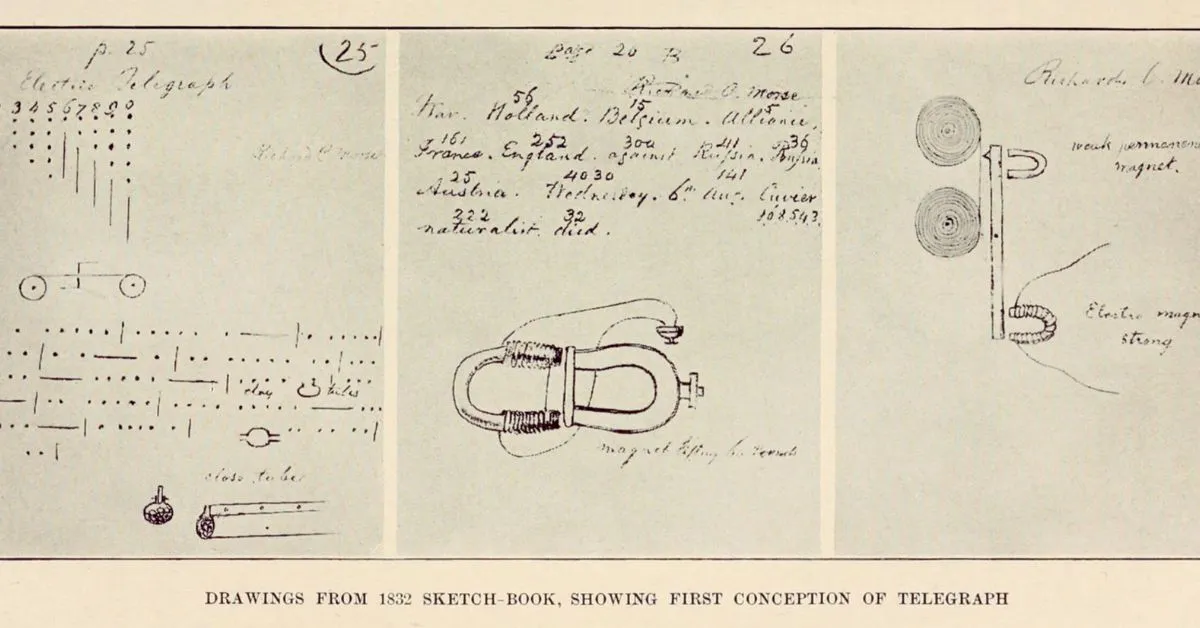
Morse code was developed in the 1830s by Samuel Morse and Alfred Vail as a way to send messages over telegraph wires. Before this invention, long-distance communication was slow and limited to written letters or messengers. The introduction of Morse made it possible to send information across cities and even countries within minutes, something revolutionary for the time.
Each letter of the alphabet and every number was assigned a unique sequence of dots and dashes. For example, the letter “A” was represented as · – while “B” became – · · ·. This system allowed operators to transmit entire conversations using just two basic signals.
During wars and international events, Morse became essential. It allowed governments, armies, and even ships at sea to communicate when other systems were unreliable. The most famous Morse code signal is “SOS” (· · · – – – · · ·), recognized worldwide as a call for help.
What Exactly Is a Morse Code Translator?
A Morse code translator is a tool, often found online or as a mobile app, that automatically converts plain text into Morse code. For example, typing the word “HELLO” would give you “···· · ·–·· ·–·· –––”. At the same time, you can paste a series of dots and dashes into the tool, and it will decode them into English letters or numbers.
Most modern translators come with additional features such as sound playback, where dots are short beeps and dashes are longer tones. Some even provide light flashes or vibration signals to mimic the way Morse was used in history. This makes the experience interactive and useful for learners.
In short, these translators serve as digital bridges between modern text and a historic form of coded communication.
The Complete Morse Code Alphabet, Numbers, and Punctuation
To fully understand how these translators work, it helps to know the Morse alphabet. Every letter, number, and common punctuation mark has its own unique sequence of dots (·) and dashes (–). Here’s the full chart:
Letters (A–Z)
- A → · –
- B → – · · ·
- C → – · – ·
- D → – · ·
- E → ·
- F → · · – ·
- G → – – ·
- H → · · · ·
- I → · ·
- J → · – – –
- K → – · –
- L → · – · ·
- M → – –
- N → – ·
- O → – – –
- P → · – – ·
- Q → – – · –
- R → · – ·
- S → · · ·
- T → –
- U → · · –
- V → · · · –
- W → · – –
- X → – · · –
- Y → – · – –
- Z → – – · ·
Numbers (0–9)
- 0 → – – – – –
- 1 → · – – – –
- 2 → · · – – –
- 3 → · · · – –
- 4 → · · · · –
- 5 → · · · · ·
- 6 → – · · · ·
- 7 → – – · · ·
- 8 → – – – · ·
- 9 → – – – – ·
Common Punctuation
- Period (.) → · – · – · –
- Comma (,) → – – · · – –
- Question Mark (?) → · · – – · ·
- Exclamation (!) → – · – · – –
- Colon (:) → – – – · · ·
- Semicolon (;) → – · – · – ·
- Dash (–) → – · · · · –
- Slash (/) → – · · – ·
- Apostrophe (’) → · – – – – ·
- Quotation (“) → · – · · – ·
Having this reference makes it easier for anyone to manually decode or check translations. Translators use these exact sequences behind the scenes to generate results instantly.
How a Morse Converter Works Behind the Scenes
At its core, a Morse converter uses a simple mapping system. Every letter, number, and punctuation mark has a corresponding Morse sequence. When you type text into the translator, it looks up each character in a stored database and replaces it with the correct series of dots and dashes.
The reverse process is just as straightforward. When you enter Morse code, the translator scans the dots and dashes, matches them to the right characters, and outputs readable text. Some advanced versions can also ignore mistakes, helping beginners who may not input perfect spacing between letters or words.
By using this mapping method, the translator eliminates the need to memorize every Morse symbol, making it easy for anyone to practice and understand.
Different Types of Morse Decoders Available Today
There are several categories of Morse decoding tools, each offering unique experiences for users:
- Online Translators – These are web-based platforms that you can access through a browser. They are simple to use and require no installation.
- Mobile Apps – Apps for Android and iOS provide translators that work offline, making them handy for learning on the go.
- Sound-Based Decoders – Some apps can listen to Morse signals through a microphone and decode them into text automatically.
- Light Flash Translators – Designed for fun or training, these tools use your phone’s flashlight to transmit Morse code visually.
- Custom Hardware Devices – Radio operators often use handheld decoders or kits to practice Morse in a more authentic setting.
The variety ensures that learners, hobbyists, and professionals can all find a tool that fits their needs.
Why People Still Use Morse Translators in Modern Times
Although modern technology has replaced Morse in most official communications, people continue to use it in creative and practical ways. For example, escape room designers often hide Morse messages in puzzles, requiring players to decode them. Amateur radio operators still practice sending signals, keeping the tradition alive.
In survival training, Morse knowledge can be life-saving. A flashlight or mirror can be used to send SOS signals if someone is lost or stranded. Translators make it easier to practice these skills without needing extensive memorization.
In education, Morse helps students understand how communication evolved over time. It also serves as an engaging introduction to coding, patterns, and encryption. Translators act as a fun gateway for younger learners who might struggle with complex systems.
Learning Morse Through Translators: A Fun and Easy Approach
Many people assume Morse code is difficult to learn, but a translator can make the process enjoyable. Beginners can start by typing their names and seeing how they look in dots and dashes. Listening to the audio playback helps them match sounds to symbols, which is how operators traditionally learned.
With practice, learners can move on to memorizing common letters and words. Translators also allow them to check their progress by entering Morse sequences and seeing if they got the letters correct. This interactive loop of practice and verification is one reason why these tools remain so popular in education.
Morse Code Translator in Popular Culture and Entertainment
Morse has appeared in countless movies, books, and TV shows. Characters often use it to send hidden messages, signal for help, or add an element of mystery. Translators allow fans to re-create these scenarios at home, turning what might seem like a forgotten skill into an interactive experience.
Video games also include puzzles based on Morse, where players must decode signals to progress. Having a translator on hand makes these challenges easier while still allowing people to enjoy the thrill of problem-solving.
Even music bands and digital artists sometimes incorporate Morse symbols into their work, using translators to design lyrics or visual art pieces.
Practical Benefits of Using a Morse Decoder
There are several advantages to using these tools beyond just entertainment:
- Accessibility: Translators are available online for free, so anyone can use them.
- Emergency Readiness: They help people prepare for survival situations by quickly teaching the basics of communication.
- Cultural Appreciation: By using a translator, individuals gain a deeper understanding of how communication shaped history.
- Skill Development: Morse training sharpens memory, attention to detail, and problem-solving.
- Customization: Many translators allow users to adjust speed, tone, or visual settings for personal learning preferences.
Challenges and Limitations of Morse Translators
While translators are useful, they are not perfect. One limitation is that they remove the challenge of memorizing Morse code. Relying only on digital tools can prevent learners from becoming fluent in manual decoding.
Another issue is accuracy. If Morse is entered without proper spacing, the translator may output the wrong text. Similarly, sound-based decoders can misinterpret background noise as signals.
Despite these drawbacks, translators remain excellent starting points for anyone who wants to explore Morse without stress.
The Future of Morse Code in a Digital World
As technology evolves, Morse code continues to find new applications. For instance, accessibility tools for people with disabilities sometimes use Morse input, allowing users to type with just one or two switches. Translators play a role in bridging these systems with regular text.
In education, gamified learning apps may combine Morse with challenges, competitions, and rewards to keep younger audiences engaged. Meanwhile, survivalists and adventurers still recommend knowing the basics of SOS, making Morse relevant even in modern times.
By combining tradition with innovation, translators ensure Morse code remains alive in creative and practical ways.
Conclusion
Morse code is more than just dots and dashes—it represents one of humanity’s first steps into global communication. While the telegraph lines may be gone, the system continues to inspire learners, hobbyists, and problem-solvers. Thanks to digital Morse code translators, what was once a complex skill is now just a click away.
From classrooms to escape rooms, from survival kits to online fun, these tools help us appreciate the beauty of a system that shaped history. They remind us that even in an age of advanced technology, simple signals can still carry powerful meaning.
FAQs:
Can I learn Morse code just by using a translator?
Yes, but for fluency, you should also practice listening and memorizing common letters and signals.
Are there free online tools to convert text into Morse?
Absolutely! Many websites and apps provide free translation services for both text and audio.
What is the most famous Morse code message?
The SOS signal (· · · – – – · · ·) is the most recognized and used worldwide.
Can translators work with sound or just text?
Some advanced tools can decode Morse sounds or even flashing lights, while basic ones work with text only.
Is Morse code still used officially today?
It’s not used in mainstream communication, but it’s still taught in amateur radio, survival training, and accessibility technology.