$1700 Stimulus Checks in September 2025? Here’s the Truth You Need to Know
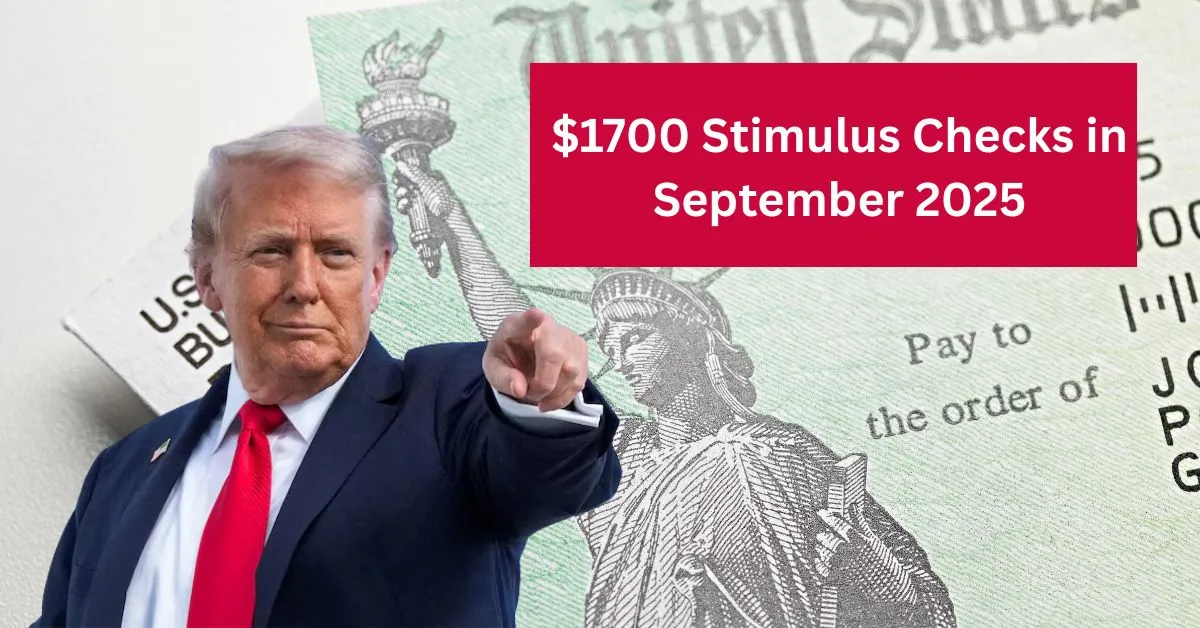
Every few months, a headline surfaces across social media platforms suggesting that the U.S. government has approved a new round of stimulus checks. In 2025, one of the most circulated claims is that $1700 stimulus checks have been approved for September 2025. Posts on TikTok, Facebook groups, YouTube videos, and blog sites have amplified this story, sparking both excitement and confusion among Americans eager for financial relief.
But is this claim true? As of now, there is no official government announcement confirming $1700 payments for September 2025. Instead, the story appears to be a mix of misinformation, recycled news from previous relief efforts, and speculation about potential economic assistance programs. This article will break down the facts, explore why these rumors spread, and examine the current state of economic aid in the United States.
The Origins of the $1700 Stimulus Check 2025 SSI Rumor
The roots of the $1700 rumor can be traced back to earlier stimulus checks issued during the COVID-19 pandemic. In 2020 and 2021, Americans received three direct payments: $1,200, $600, and $1,400. These checks provided vital relief to millions of households facing job losses, rising costs, and uncertainty.
By 2022 and beyond, however, stimulus payments largely ended, though some states continued offering targeted relief programs funded by leftover federal resources. These state-level payments varied, with amounts ranging from $200 to over $1,000 depending on eligibility and location.
Fast forward to 2025, and social media users began circulating posts that a nationwide $1700 check was approved for September. In many cases, these posts misused old IRS or Treasury Department logos, paired with vague claims like “Approved today!” or “Checks coming this fall.” Others linked to websites filled with misleading ads or scams.
What Government Sources Are Actually Saying
The most important step in evaluating this rumor is to check credible sources. As of September 2025:
- IRS: The Internal Revenue Service has not announced any $1700 payments. Their official website provides updated information about tax refunds, credits, and special relief, but no mention of new stimulus checks.
- Treasury Department: Similarly, the U.S. Treasury has not issued any press release regarding new federal payments.
- Congress: No bill has passed both houses of Congress and been signed into law to authorize $1700 checks. While proposals for economic aid surface occasionally, none match the viral claim.
In short, the federal government has not confirmed or approved any nationwide $1700 stimulus program for September 2025.
Why Do Stimulus Check Rumors Keep Spreading?
Misinformation thrives online, especially when it taps into people’s hopes and financial struggles. There are several reasons why stimulus check rumors continue to spread:
- Financial Strain – With inflation, housing costs, and healthcare expenses rising, many Americans want relief. News of a possible check spreads quickly because it resonates emotionally.
- Confusion Between Federal and State Programs – Some states still issue tax rebates or relief checks. People may confuse these state-level payments with federal stimulus checks.
- Clickbait Headlines – Websites earn ad revenue by publishing sensational but misleading stories. “$1700 Checks Approved” is designed to attract clicks, even without evidence.
- Scams – Fraudsters sometimes use stimulus rumors to trick people into providing personal information or paying fees for nonexistent “applications.”
- Memory of Past Stimulus Payments – Because real checks were distributed in 2020–2021, people find new claims believable, even without confirmation.
The Economic Context in 2025
To understand whether new stimulus checks are likely, it helps to examine the broader economy in 2025.
- Inflation: While inflation has cooled compared to its peak in 2022, prices for essentials remain higher than pre-pandemic levels. Families still feel the squeeze, particularly with groceries, rent, and energy.
- Job Market: Employment rates are stable, but wage growth has not kept up with living costs for many households.
- Government Priorities: Instead of universal checks, current policies focus on targeted aid, such as expanded tax credits, housing assistance, and childcare support.
- Debt Concerns: Lawmakers remain divided on spending, with concerns about the national debt making large-scale stimulus less likely.
Taken together, while Americans face financial challenges, there is no strong indication that the federal government plans to roll out blanket $1700 checks at this time.
Fact-Checking the Claim: $1700 Stimulus Checks in September 2025
Let’s apply fact-checking principles to the viral claim.
- Claim: The U.S. government has approved $1700 stimulus checks for September 2025.
- Evidence: None. No official announcements, bills, or Treasury releases confirm it.
- Credible Sources: IRS, U.S. Treasury, White House press statements all show no such program exists.
- Verdict: False or misleading. The claim is based on rumors, recycled content, or clickbait.
How to Identify Stimulus Check Scams
Stimulus-related misinformation is not just confusing—it can also be dangerous. Scammers use fake news about payments to steal money or personal data. Here are red flags to watch for:
- Emails or Texts Claiming to Be from the IRS – The IRS will never email or text about direct payments.
- Requests for Upfront Fees – No legitimate government program requires you to “apply” by paying money.
- Suspicious Links – Many scam websites imitate government pages but have unusual URLs or poor design.
- Too-Good-to-Be-True Promises – If someone claims you’re “guaranteed” a $1700 check, it’s almost certainly false.
Staying cautious and checking official .gov websites is the safest way to avoid scams.
What Types of Assistance Are Actually Available in 2025?
While a $1700 federal stimulus check isn’t happening in September 2025, there are still real forms of aid that may help households:
- Earned Income Tax Credit (EITC): Expansions continue to provide larger refunds for low-to-moderate-income families.
- Child Tax Credit (CTC): Families with children can still benefit, though the program is smaller than its pandemic-era version.
- SNAP Benefits: Supplemental Nutrition Assistance Program continues to support millions of families with grocery costs.
- Housing Assistance: Federal and state programs provide rental relief and mortgage assistance in certain regions.
- State Rebates: Some states, like California and Colorado, issue tax rebates or surplus checks, though amounts vary.
Why Some Believe the $1700 Claim Anyway
Despite being false, the rumor continues to circulate because it feeds into very real frustrations. For millions, wages do not cover rising costs, making direct relief checks sound appealing. Social media also rewards content that sparks engagement, even if inaccurate. The mix of financial need, nostalgia for past checks, and viral online culture makes people more likely to believe and share such claims.
Lessons Learned from the Stimulus Check Era
The popularity of the $1700 rumor shows how deeply the stimulus era impacted American memory. Those payments provided quick, tangible relief. They also set a precedent—once people have experienced direct payments, they are more likely to expect them again during tough times.
The lesson here is not only about government aid but also about how information spreads. Clear, transparent communication from officials can reduce confusion, while citizens must learn to verify claims before sharing them.
The Future of Direct Payments in the U.S.
While a nationwide $1700 check isn’t real in September 2025, could more stimulus payments ever return? The answer depends on economic conditions.
- Possible Triggers: A severe recession, natural disaster, or other national crisis might push Congress to consider direct checks again.
- Political Will: Support for stimulus varies by party and leadership priorities. Some lawmakers push for universal aid, while others prefer targeted or state-level solutions.
- Public Demand: If enough citizens call for direct payments, political pressure could bring the issue back into debate.
For now, however, relief efforts are more targeted than universal.
Conclusion
The claim that $1700 stimulus checks are approved for September 2025 is not supported by any credible evidence. It is a rumor fueled by misinformation, confusion with state programs, and the lingering memory of real stimulus payments from the pandemic.
While the federal government has not announced new universal checks, Americans do have access to other assistance programs that provide support in different ways. Understanding how to spot scams, fact-check claims, and follow official updates is key to staying safe and informed.
The bigger picture is clear: stimulus checks may return in the future if economic crises demand them, but for now, Americans should be cautious of viral headlines and look to trusted sources for reliable information.
FAQs:
Is the $1700 stimulus check approved for September 2025?
No, there is no federal approval for a $1700 stimulus payment in September 2025.
Why do so many people believe this claim?
Because of financial hardship, nostalgia for past checks, and viral misinformation online.
Are any states giving out payments in 2025?
Yes, some states issue tax rebates or surplus payments, but amounts and eligibility vary.
How can I protect myself from stimulus scams?
Check only official .gov websites, avoid paying fees, and never click suspicious links.
Could stimulus checks return in the future?
Possibly, if the economy faces another crisis, but none are approved right now.